can provide essential food aid to a family
helps build rehabilitation centers to serve children with disabilities
can help provide medical assistance in Palestine
Enter Amount
Violence has escalated after months of ongoing tension across the region. Over 34,000 people have been killed and thousands more have been injured or deemed missing. In Gaza specifically, a ‘total blockade’ is in place, cutting off 2 million civilians from access to food, electricity, and fuel.
United Nations officials are warning of an impending famine; the total number of housing units destroyed or damaged accounts for over 60% of all housing units; and more than 90% of the population has been displaced with hundreds of thousands of people sleeping in the open with inadequate clothing to fight the cold.
The attack on the health system has been particularly devastating – only 10 out of 36 of Gaza’s hospitals are partially functional, facing challenges with the shortage of medical staff and lack of essential medical supplies. They also shared that more people will die of disease if we’re not able to put the health system back together and provide people with the basics of life.
While issues related to the delivery of humanitarian aid persist, IRUSA partners are continuing to work on the following interventions:
Our partners are also continuing to work on the procurement and stockpiling of water, food and non-food items, and medical supplies, to be delivered once a pathway for humanitarian aid is established.
Stay tuned to this page for ongoing updates.
Living under occupation and a constant threat of violence, Palestinians have been robbed of nearly every basic human right. Food insecurity; poor water quality; limited access to healthcare; lack of education opportunities; high unemployment; and restricted movement are only a few of the many problems the people of Palestine are forced to face in their daily lives.
The Palestinian refugee crisis is one of the biggest our world has faced. More than 7 million Palestinians have been displaced. Our hope is to show the people of Palestine they have not been forgotten.
Islamic Relief has been working in Palestine for over two decades. Our legacy across the country has grown to help hundreds of thousands of people every year. Not only do we provide immediate emergency relief, but we work with our partners to implement long-term development programs that will help rebuild Palestine and bring hope to its people. Our efforts are expansive, covering nearly every sector Islamic Relief and its supporters have dedicated their time and energy to. This includes:
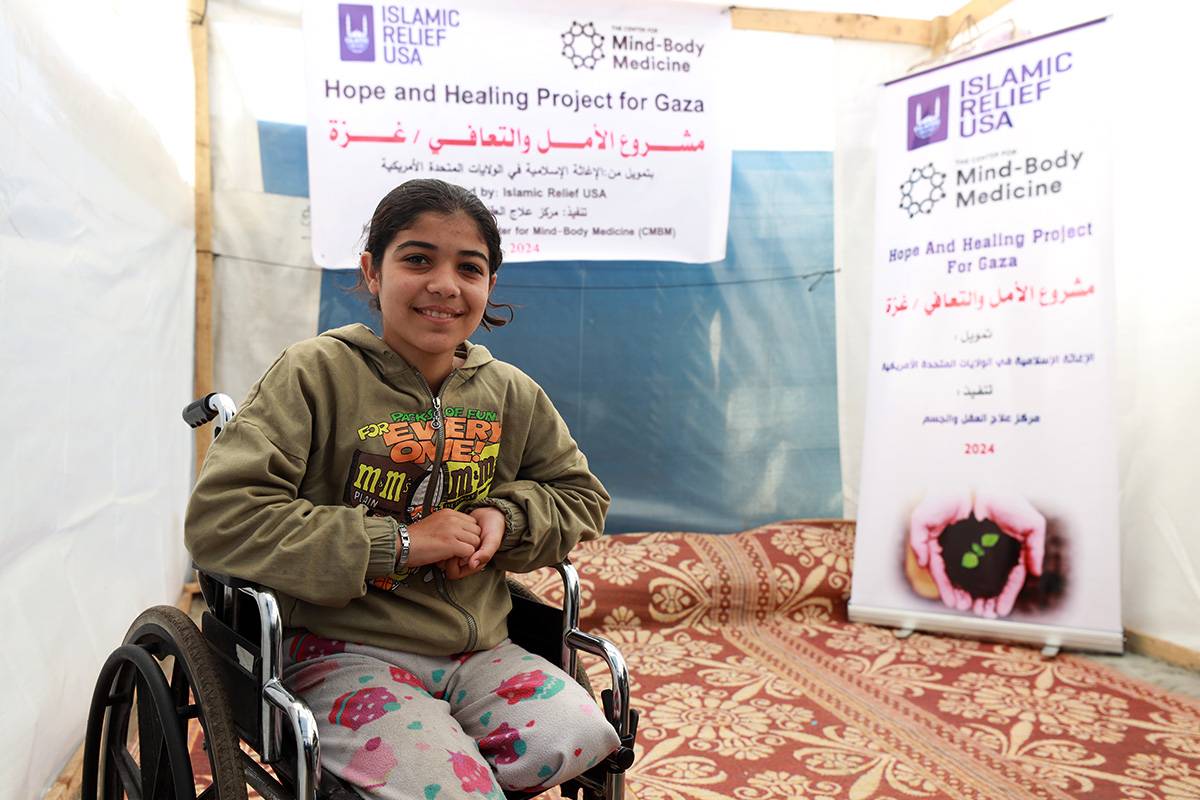
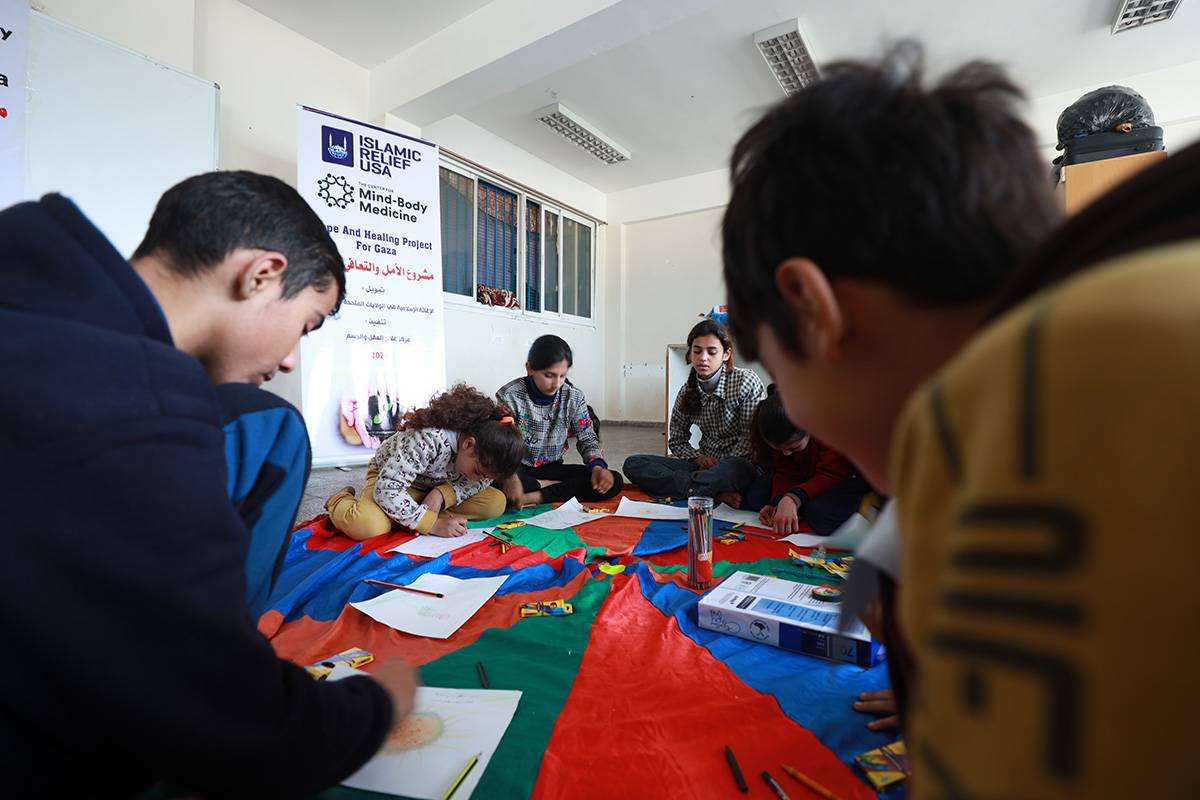
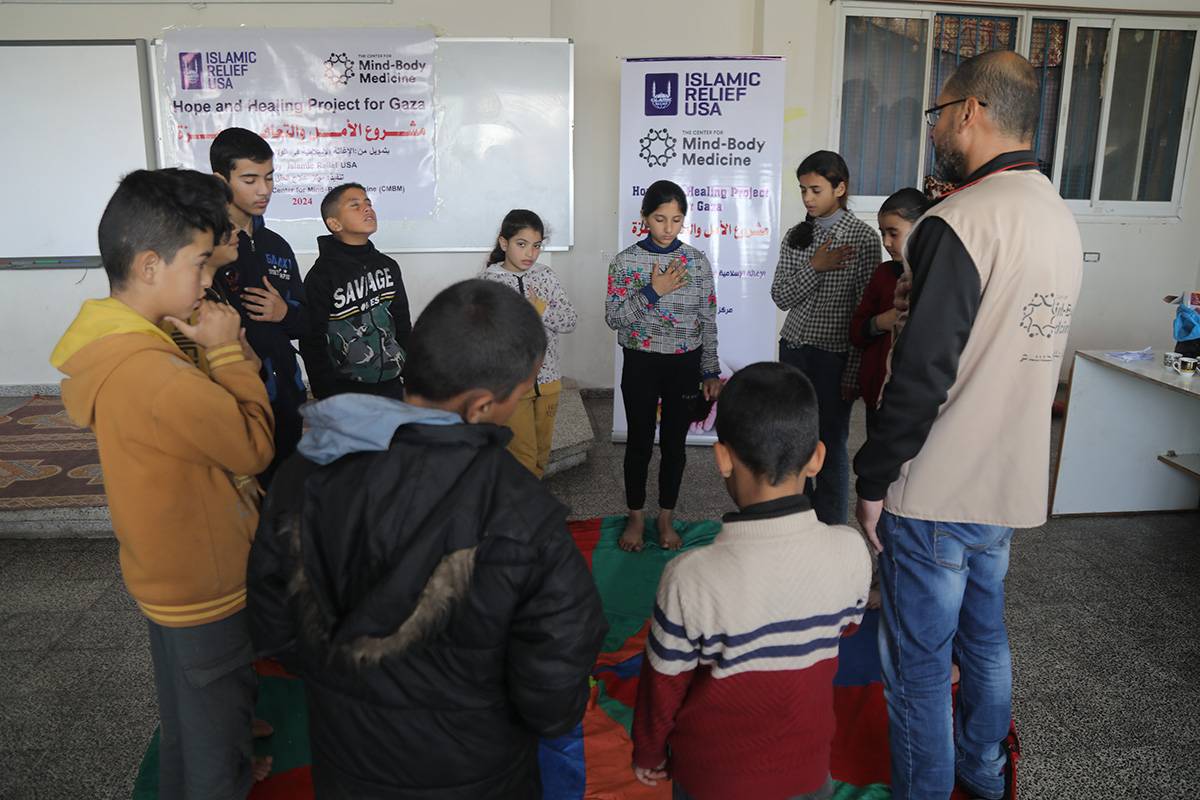
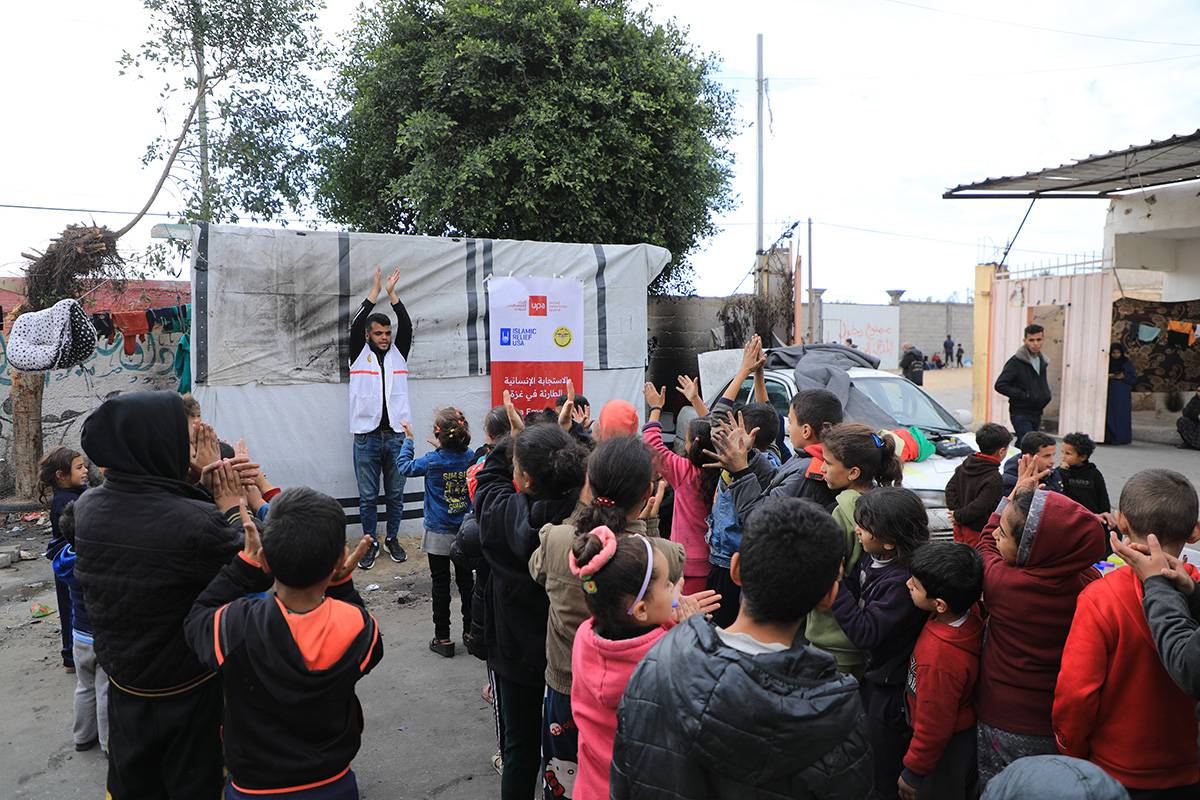
Hope and Healing – Coping with Trauma
Hope and Healing – Dreaming of Baba
Hope and Healing – “Where’s my Leg”
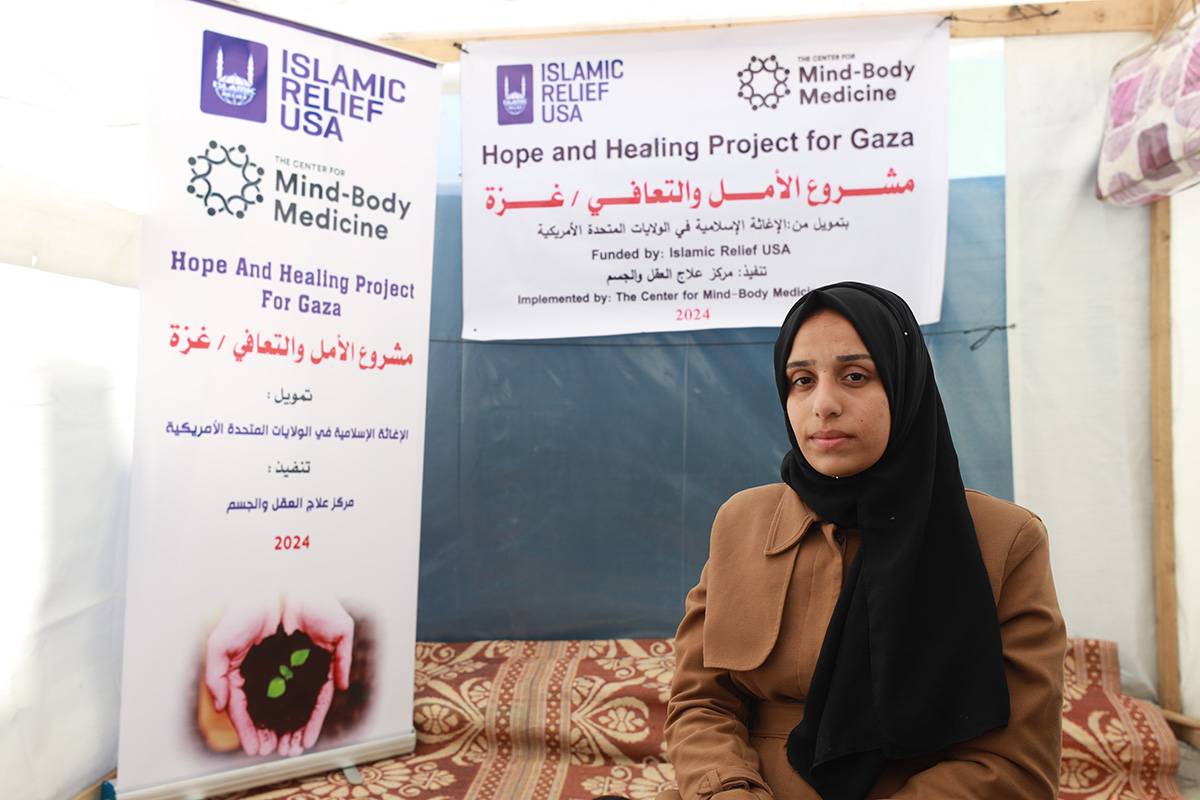
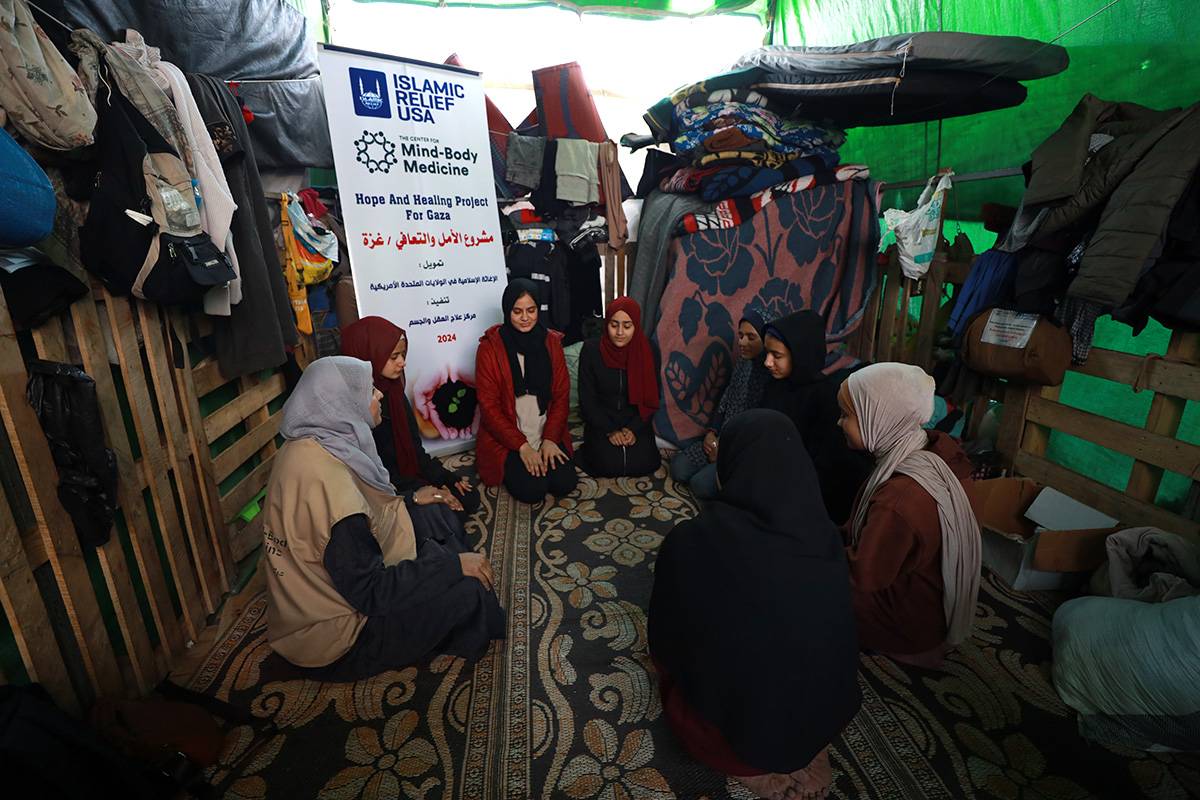
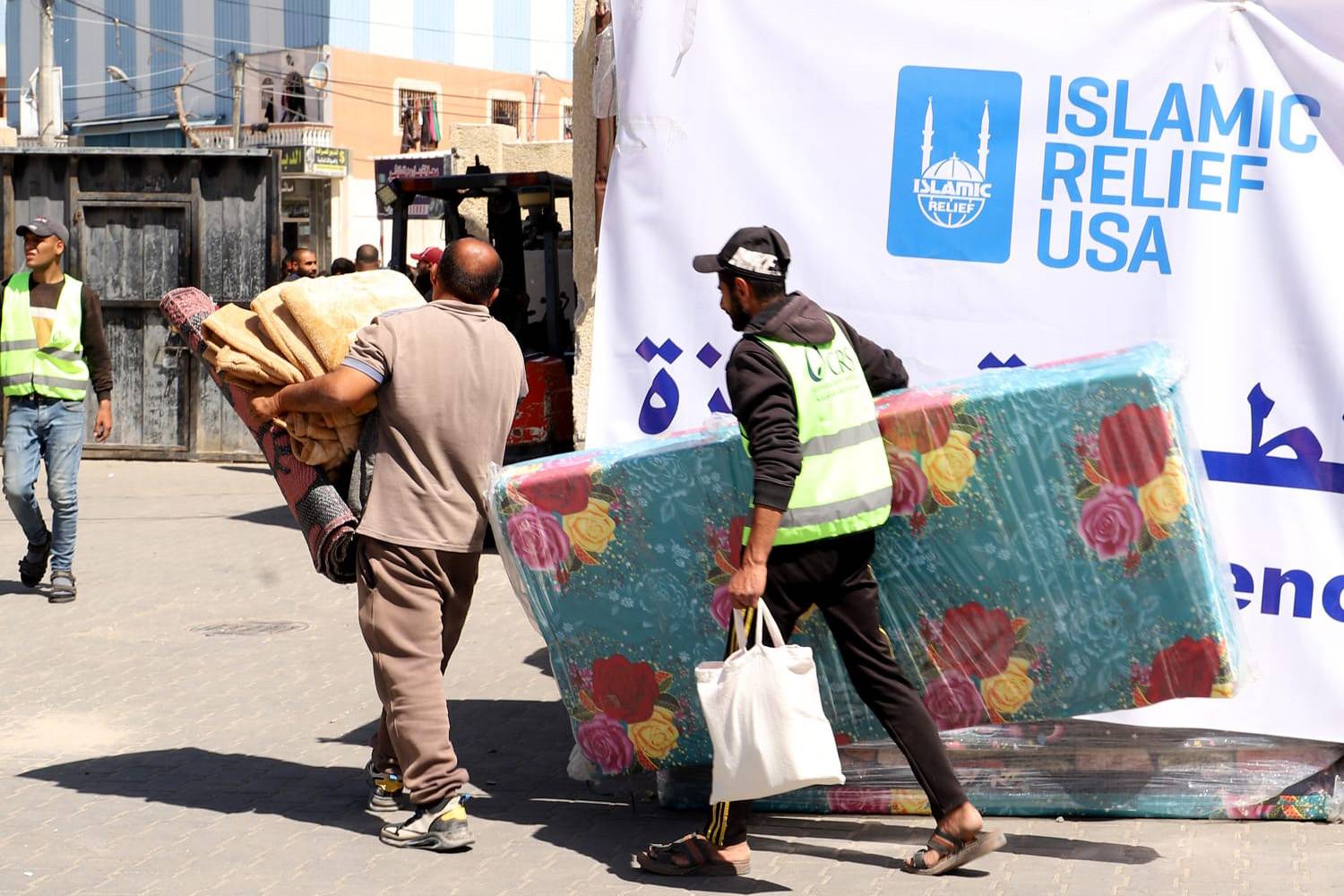
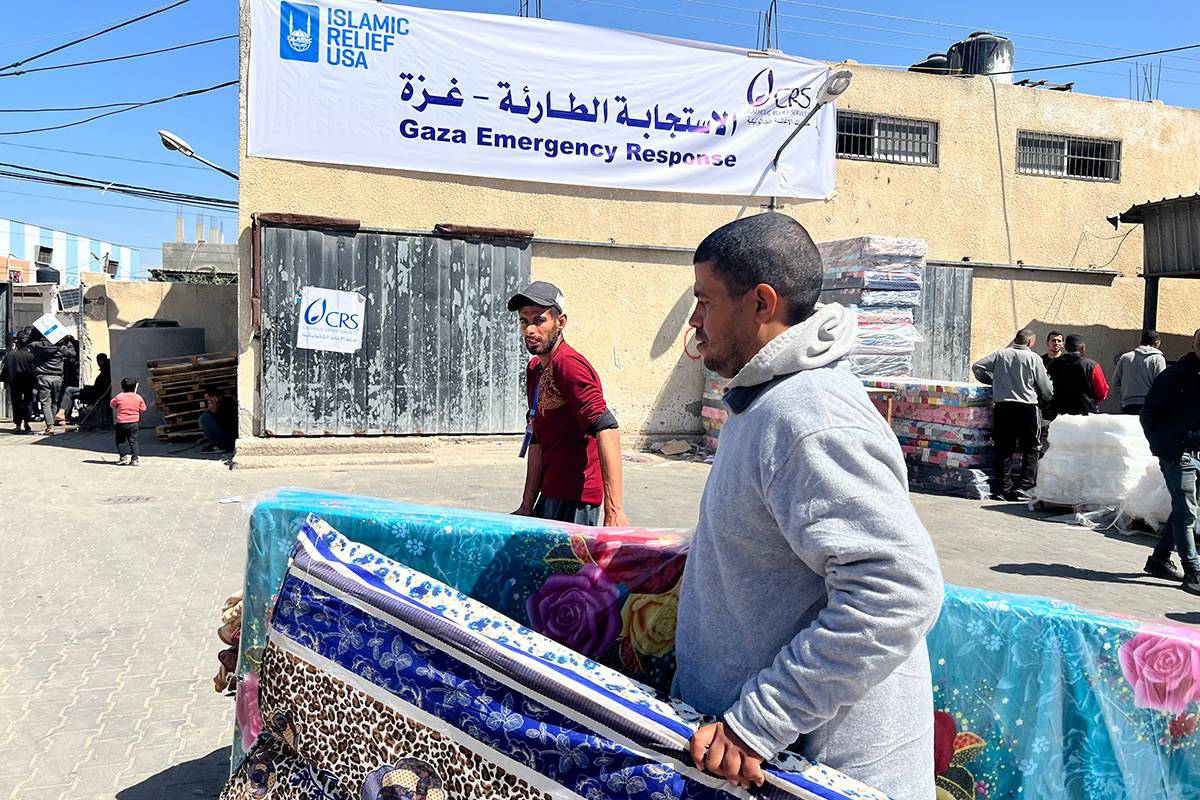
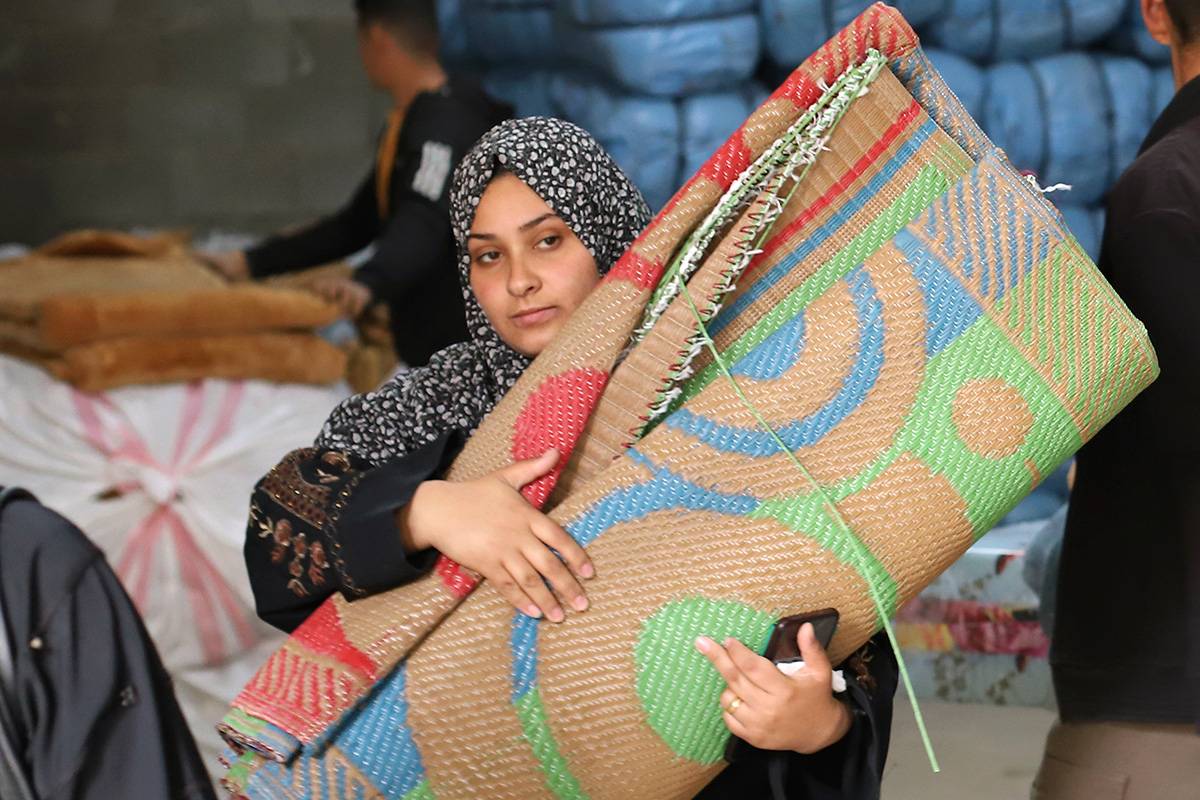
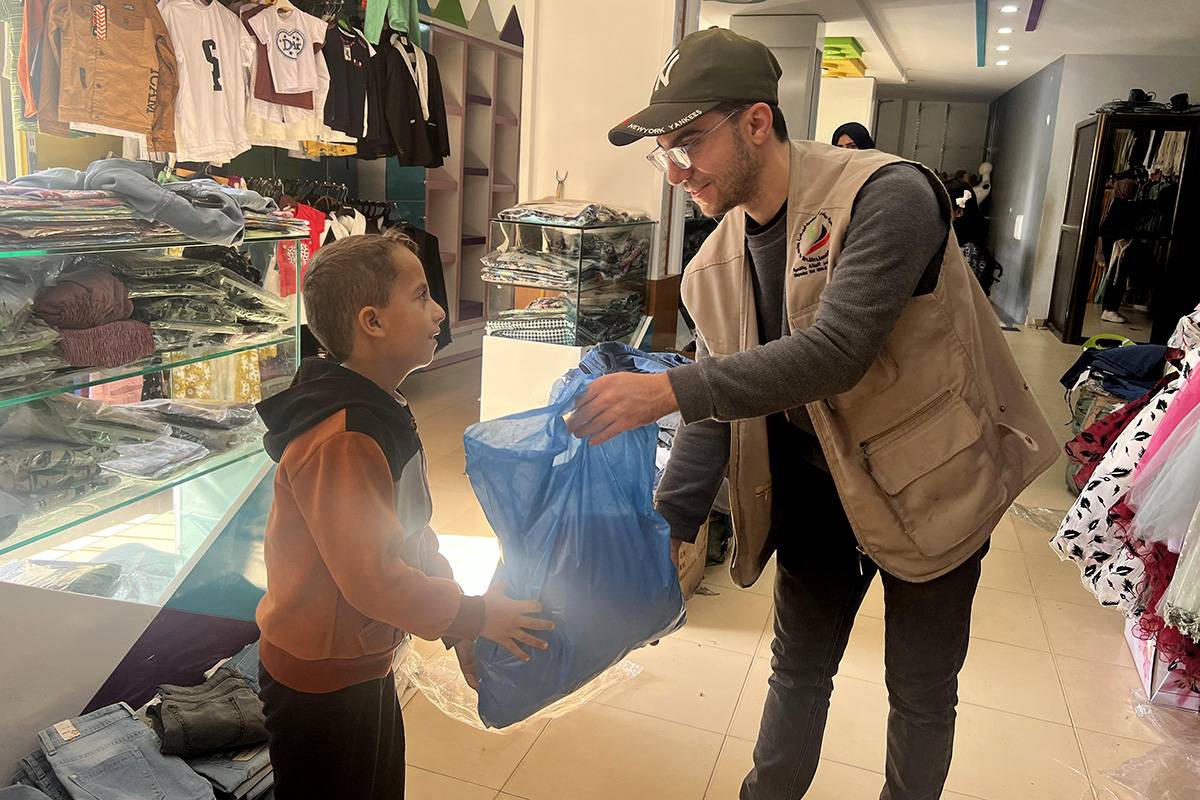
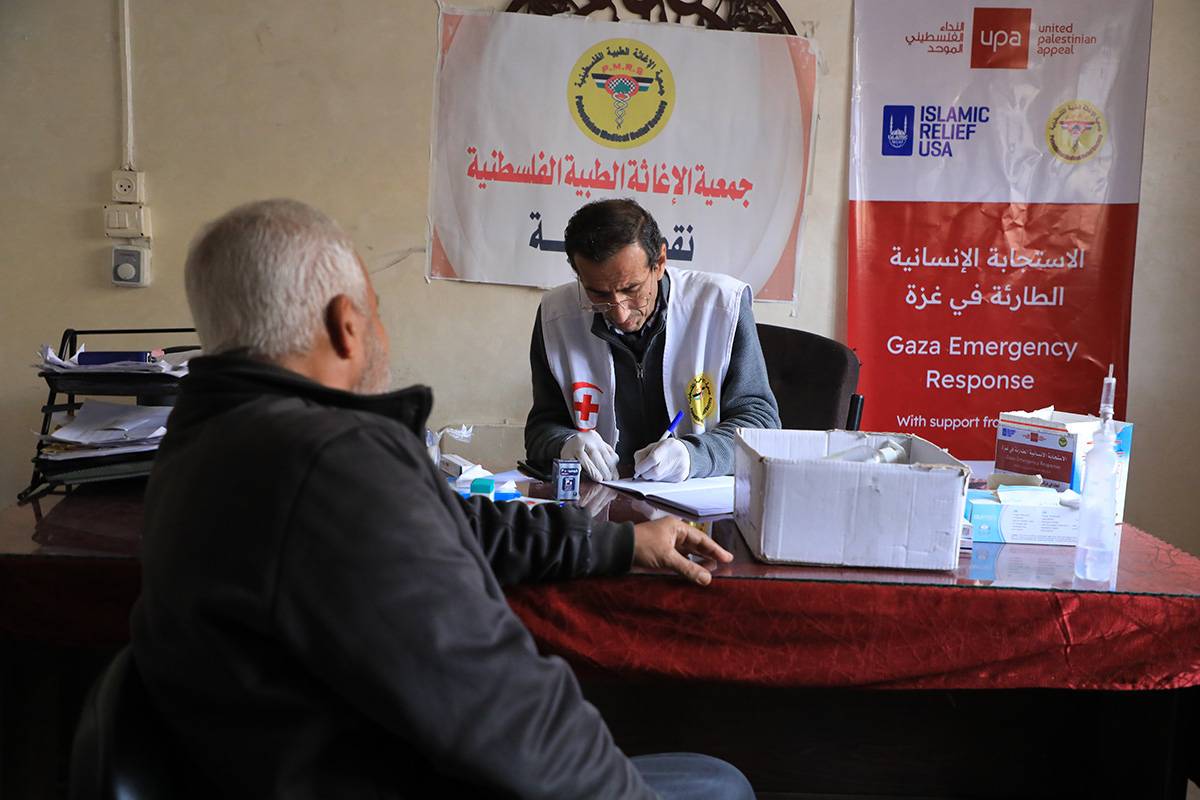
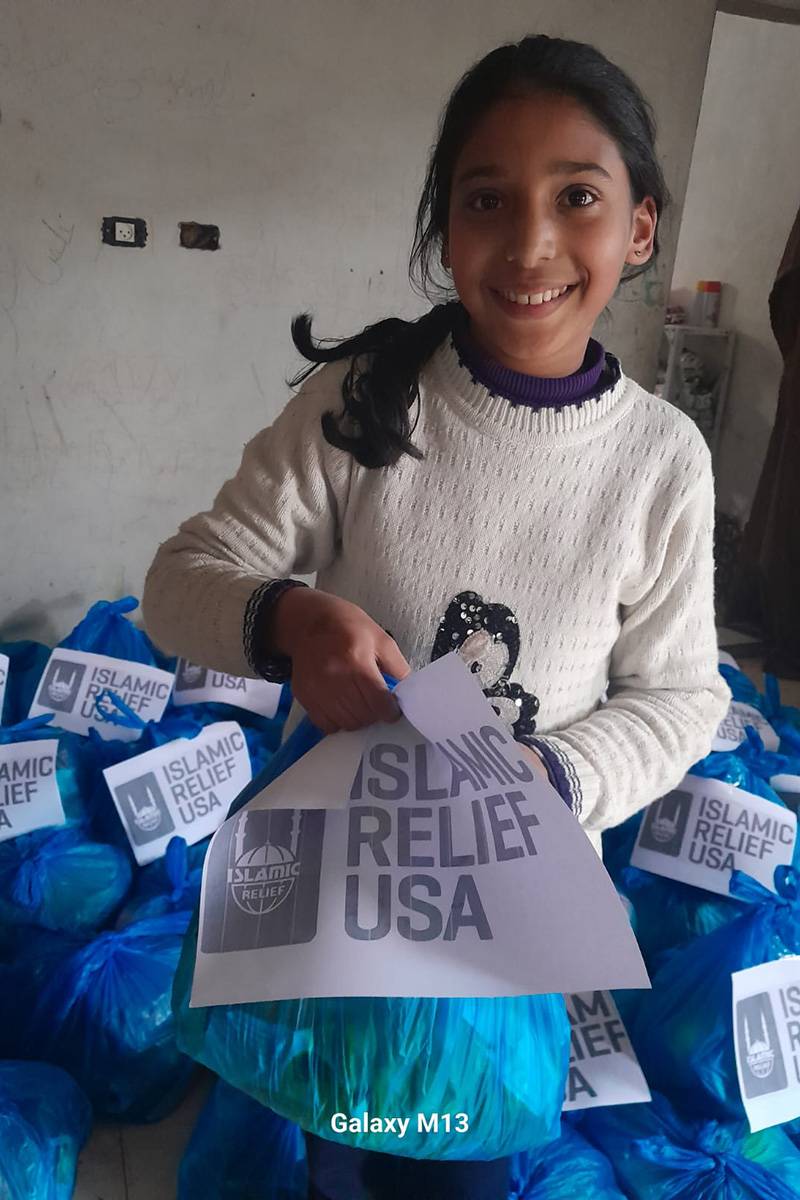


THERE ARE MANY QUESTIONS ABOUT HOW WE GET AID INTO PALESTINE.
We hear you! So we want to let you know how our teams work on the ground to deliver your donations to the people in need.
Most items that come into Gaza first come through commercial entities, not through NGOs. These commercial suppliers are approved and are usually allowed in, especially for food items and medical supplies. Whenever borders are closed, Islamic Relief has prequalified suppliers and that enables us to procure items quickly from within Gaza to meet immediate needs. Some of our partners are able to bring in-kind donations from outside Gaza and the West Bank. Items can sometimes get blocked during escalations, when borders are closed, or if there are delays at the Karem Abu Salem crossing (the main crossing for goods into Gaza). However, they do usually get through. We work hard to ensure that these essential supplies as well as what is available in local markets, are available for the immediate need.
The Islamic Relief family has been on the ground in Gaza for the past 25 years. Islamic Relief USA, specifically, receives updates on the community’s immediate needs through organizations with local staff and offices. We have a long and successful history of working through established local partnerships to deliver urgent support and implement development projects for Palestinians, including improving access to healthcare, psychosocial support, education, and livelihoods. Together, our response is that much stronger and wider in reach, especially when it is needed most.
During times of crisis and emergency, banks and monetary institutions are often impacted. This can prevent families from accessing banks and withdrawing funds. Humanitarian organizations have existing relationships with banks and available funds on reserve that they can access and utilize during such emergency crises to ensure a quick response.
Humanitarian organizations are able to assess needs on the ground on a wider scale, and in coordination with relevant actors (i.e. ministries and UN Clusters) to determine the best way to utilize funds as per the urgent needs on the ground. Humanitarian organizations also have standards they must maintain to ensure high-quality assistance is provided such as operating standards and quality of aid, while also ensuring there is no duplication so that every person can be reached equitably.
Islamic Relief already has active and ongoing relationships through its partners on the ground who maintain local offices and can quickly implement aid directly, especially during emergencies. When working with local partners, these relationships are already determined before a project is signed and before funds are transferred.
The humanitarian needs across Palestine are immense, with approximately 80% of Palestinians relying on humanitarian agencies to meet their basic needs. Unfortunately, big governments don’t provide enough assistance to reach all those in need and major cuts in funding in recent years have only made this worse.
Transparency is our key value. That is why we post pictures, share videos, and, most importantly, we account for every dollar given through reports on our website and audits every single year.